
The Bigger Plan Behind Ukraine's War on Wildberries
Why Is Ukraine Going After Russia's Amazon

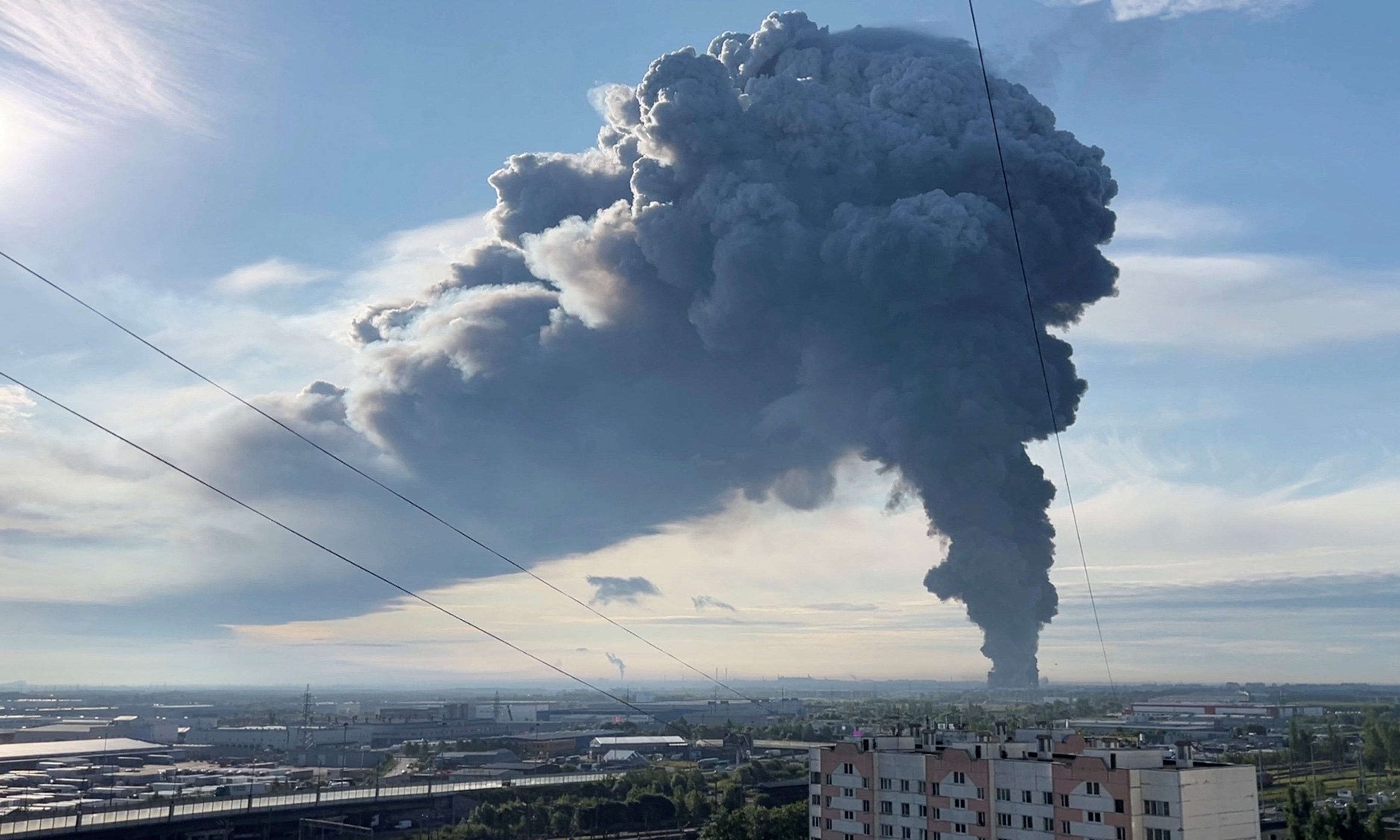
Over the past few weeks, Ukraine has started a new chapter in its campaign of what it calls “long-range sanctions” against Russia and hit at least 18 warehouses that belong to Wildberries - Russia’s largest online retailer and marketplace and essentially the country’s equivalent of Amazon. The strikes, producing images of burning warehouses under giant pillars of smoke, have drawn a lot of attention and become one of the most visible aspects of the war this year.
But if you look beyond the social media imagery, a more interesting question behind it is: why is Ukraine doing it? What is the bigger plan behind going after warehouses of a - large and important - but still private company, and how likely is it that this plan will actually work out? And what does it tell us about the thinking of Ukraine’s leadership on how to win this war - and its strategy for how to achieve it?
Well, so far, attacking Wildberries has produced a few different types of impact in a few different areas. Ironically, the one the official reasoning points to - that Wildberries sells dual-use items used by Russian soldiers in Ukraine - is probably where the strikes have the least effect. Even if they complicate getting tourniquets and other equipment to the frontline, those supplies can be sourced elsewhere, so they do little to actually stop Russian soldiers getting what they need for the war.
The other two effects are more painful for Russia: bringing the war home to ordinary Russians, by making it impossible to ignore and making the daily life a little more uncomfortable - and doing real economic damage by badly hurting one of Russia's largest companies along with all the small businesses that rely on it as a marketplace. At this point, sellers on the platform are estimated to have already lost somewhere between $2.7 and $3.5 billion - money that will be missing from the economy and that the government might be forced to partially help subsidize.
But on their own, they won’t be decisive either - they won’t cause a Russian economic collapse or convince the Kremlin to stop the war. Instead, the thinking behind it is different: it’s an attempt at death by a thousand cuts. The logic is that while no single one of these small setbacks is fatal on its own, together they can become ruinous - and so Ukraine keeps creating more of them.
It’s the same logic behind Ukraine’s attacks on refineries, or its focused attacks on Crimea: despite the hype you see online, these probably won’t cause a truly catastrophic fuel shortage in Russia or cut Crimea off entirely - but they do add to the strain the Russian state has to deal with. It’s the strategy of an arsonist running around starting tiny fires - none big enough to engulf the whole building, as long as the firefighters put it out in time, but each one draining resources, energy and focus that are then missing elsewhere. And the bet is that eventually the drain becomes too big - that one day the firefighters arrive late, or not at all, and one of the fires grows out of control.
Russia, it’s worth noting, has been running a similar if much more brutal version of this against Ukraine all along as well: hammering civilian buildings and energy infrastructure in the hope that the damage and public exhaustion eventually force Kyiv to give up. And while that has caused real hardship, it hasn’t broken Ukraine’s will.
So, can this strategy work for Ukraine? Well, no - and yes, at the same time.
If the goal is specifically to cause an internal collapse of the Russian economy or governance, or to convince the Russian leadership to reconsider the war, then - based on what we’ve seen so far - that has relatively little chance of success, at least in the short term. The economic resilience of the Russian state and the political resilience of its regime have always proven relatively high, as has the pain threshold of the Russian leadership.
In other words, the Kremlin has always chosen to continue the war regardless of the economic damage or the political risk - which suggests that even if those keep climbing, it could take a long time before they become truly unbearable, or before the leadership decides the risk is too high. And so if that’s the bar Ukraine has to clear, the strategy might not work, at least not in the foreseeable future.
But on the other hand, the strategy can still work and deliver real benefits even if those ultimate goals are never achieved. Even if hitting refineries and warehouses doesn’t destroy the economy, less fuel to go around can mean less fuel for military logistics bringing supplies to the front, and less money raised in tax revenue can mean a bit fewer drones in the air this year - and so on. In other words, even temporary relief can be worth a lot, even if it doesn’t win a war.
And finally, there’s one more part to the plan - and maybe the most important one. In any war, especially an existential one that demands constant sacrifice from your own people, you need a theory of victory. Your plan can’t just be to hold on and defend until the enemy eventually tires out - even if that’s how it ends up happening. You need something to seize the initiative with, something to keep hope alive, and something for your own people to focus on.
At least, Zelensky clearly believes that. And if you look back, it’s clear that this belief has always shaped the decisions he has made, from the 2023 counter-offensive to the Kursk campaign, even if from a pure military perspective, they might not have been the most obvious or even the most rational decisions.
And so, going after Wildberries is unlikely to end the war. But it might help Ukraine fight it, give its people a little bit more hope - and give Russia another fire to worry about.